Shedd Aquarium and the Field Museum are both large enough to fill a day, which makes combining them sound like a mistake. Our experience was more encouraging. We Ubered to Shedd for a 10 a.m. reservation, focused on the beluga whales, sharks, and fish displays, then walked across Museum Campus to see SUE and the mummies at Field. We were finished around 2 or 3 p.m., rated both museums 8 out of 10, and never felt hurried. The key is understanding what kind of visit that creates: a satisfying highlights day, not an attempt to complete every experience in both buildings.
The short answer: yes, we comfortably did both
Our combined visit lasted roughly four to five hours from the 10 a.m. Shedd reservation to leaving the Field Museum around 2–3 p.m. That total included the short walk between the buildings. We did not watch Shedd’s 4-D movie, stop for every presentation, or study every label at Field, but we saw the things that mattered most to us.
Nothing about the day felt rushed. We simply like to keep moving through a museum instead of lingering in every room. That distinction matters: someone with the same clock but a slower museum style could leave frustrated, while a highlights-focused visitor can have an excellent day.
| Stage | What we did | Our verdict |
|---|---|---|
| Arrival | Uber to Shedd for a 10 a.m. reservation | Easy way to begin without downtown parking |
| Shedd Aquarium | Beluga whales, sharks, and the fish displays | 8/10 |
| Transfer | Walk directly across Museum Campus | No second Uber needed |
| Field Museum | SUE, the mummies, and the main galleries | 8/10 |
| Finish | Left Field around 2–3 p.m. | A complete highlights day for our pace |
Why Shedd and Field are the right museums to combine
The pairing works first because of geography. Shedd and Field sit together on Museum Campus, connected by walkable open space. We paid for one Uber to reach Shedd, then walked straight across to Field when we were ready. Ordering another car between the museums would have added waiting and confusion to a transfer that is easier on foot.
This also creates a clean order. Shedd uses a timed reservation, so it should anchor the morning. Field currently lists daily hours from 9 a.m. to 5 p.m., with last entry at 4 p.m., which gives the second half of the day more flexibility. Reserve the aquarium first, then let your actual pace determine when you move next door.
- Use one rideshare or transit trip to reach Museum Campus
- Reserve Shedd first because its arrival time anchors the day
- Walk from Shedd to the Field Museum
- Keep the afternoon free instead of adding a third major attraction
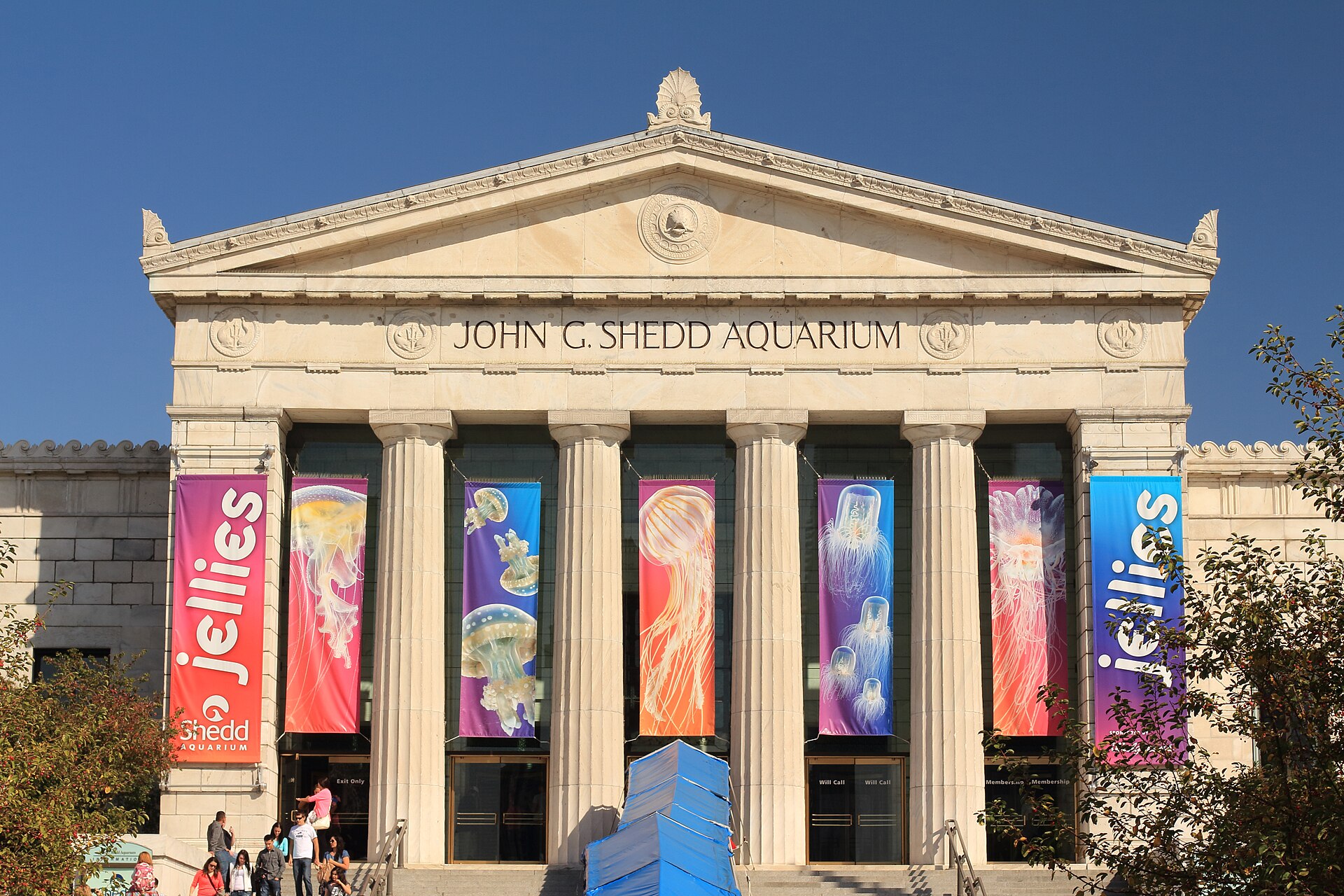
Shedd at 10 a.m.: belugas and sharks were the standouts
The beluga whales were the coolest part of Shedd for us. They live in the Abbott Oceanarium, where underwater viewing makes the scale and movement of the animals much easier to appreciate. If a first-time visitor wants one clear priority, I would begin by locating the Oceanarium rather than wandering until the morning disappears.
The sharks were the other standout. Wild Reef surrounds its shark habitat with coral, rays, and smaller reef fish, so it feels like more than one dramatic tank. The rest of the fish displays were very nice as well and gave us plenty to enjoy while moving between those two priorities.
Shedd earned 8 out of 10. It is absolutely capable of becoming a full-day aquarium, but the belugas, sharks, and broader fish displays gave our shorter visit a strong beginning, middle, and end.
We skipped the 4-D movie—and that choice protected the schedule
Our CityPASS admission included a 4-D Experience at Shedd, subject to availability, but we did not watch it. That was not a complaint about the movie; it was simply time we preferred to spend moving through the aquarium and continuing to Field.
This is the first tradeoff to make before trying both museums. A 4-D show, an animal spotlight, a special encounter, or a long lunch can all be worthwhile, but each one pushes Field later. If one of those is essential, choose it deliberately and be willing to shorten the second museum—or split the museums across two days.
The walk to Field was the easiest part of the day
When we finished at Shedd, we walked right across Museum Campus to the Field Museum. There was no need to reopen a rideshare app, find a pickup zone, or sit in traffic for a distance designed to be covered on foot.
That simple transfer is the main logistical reason the two-museum plan succeeds. Wear comfortable shoes, keep both tickets easy to reach, and treat the walk as the transition between two very different collections rather than another transportation problem to solve.
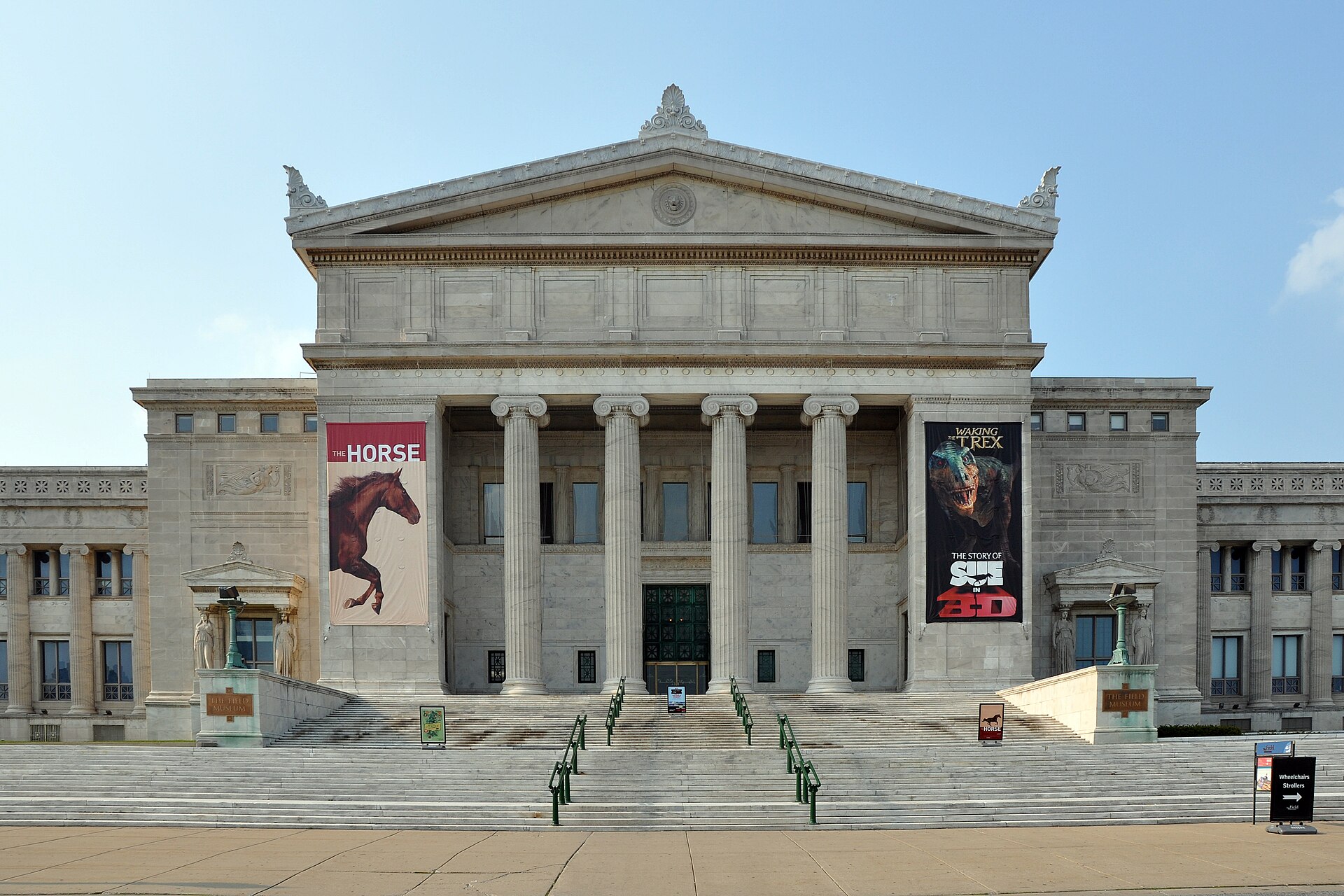
At Field, SUE and the mummies were the highlights
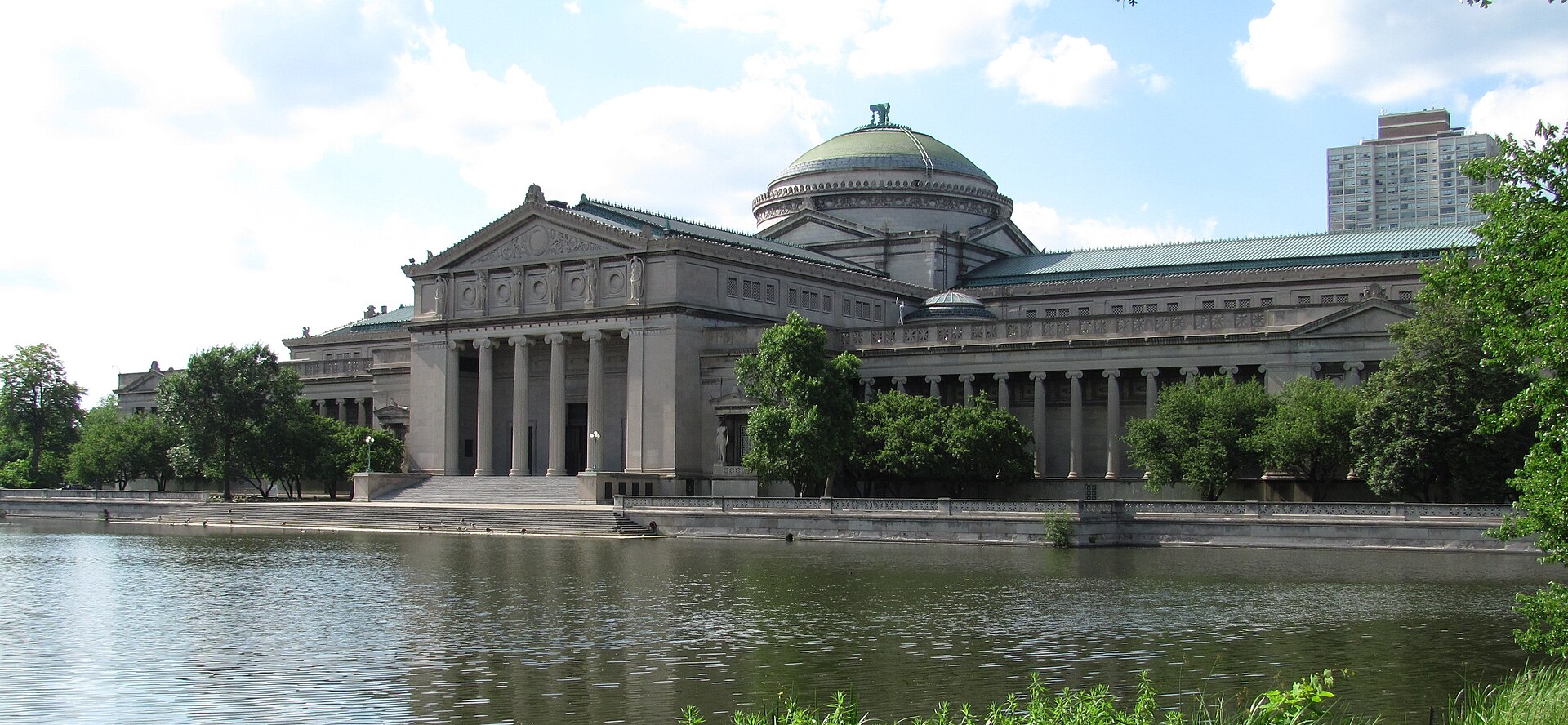
SUE was the first Field Museum experience that felt unmissable. The T. rex is more than 40 feet long, and the surrounding exhibition places the fossil inside a Late Cretaceous environment instead of presenting it as a skeleton with no context. Even on a faster visit, it deserves a proper stop.
Inside Ancient Egypt was our other standout. The gallery moves through daily life and beliefs about death, with a burial chamber and one of the country's largest museum collections of mummified individuals. It gave Field a completely different second priority after SUE and made the museum feel much broader than a dinosaur stop.
Field also earned 8 out of 10. We left around 2–3 p.m. because we had seen what we came to see, not because the museum ran out of material. A visitor who reads every panel or adds a special exhibition could easily remain until closing.
Field-trip groups were noticeable, not disruptive
There were many school field trips during our visits. The museums felt active, but the groups did not hinder our experience or prevent us from seeing the displays. We never felt that a busy room ruined either admission.
Crowds can still vary by date, and a group may temporarily gather around a popular tank or fossil. Instead of waiting in place, move to the next nearby display and return after the group rotates. Our bigger planning constraint was how long we personally wanted to spend—not the number of students around us.
What 'not rushed' really means on a two-museum day
It would be inaccurate to say we experienced every part of both museums. It would also be inaccurate to say we spent the day racing. We moved steadily, skipped the 4-D movie, did not build the day around scheduled presentations, and continued once a gallery felt complete to us.
That is why museum style matters more than a universal time recommendation. The combination suits visitors who prefer highlights and forward momentum. It is a poor fit for anyone who wants to read nearly every label, watch the programs, pause for a full meal, or let children set an unhurried pace.
| Your museum style | Better plan | Why |
|---|---|---|
| Belugas, sharks, SUE, and mummies are the priorities | Combine them | Those highlights create a focused route |
| You keep moving once you understand a display | Combine them | Our four-to-five-hour day felt comfortable at this pace |
| You want the 4-D movie and scheduled aquarium programs | Consider separate days | Timed experiences reduce Field Museum time |
| You read most labels or want special exhibitions | Separate them | Either museum can fill a day |
| Young children need breaks and a relaxed lunch | Separate them | The plan should absorb stops without pressure |
A practical one-day schedule based on our visit
Use the schedule below as a planning framework, not a promise that every visitor will move at our speed. The only fixed part of our day was the 10 a.m. Shedd reservation; the transfer happened when we felt finished, and we left Field around 2–3 p.m.
If your Shedd priorities are not complete after roughly two to two and a half hours, do not leave only to protect a table. Stay longer and accept a shorter Field visit. A successful day is measured by what you enjoyed, not whether every suggested time remained exact.
| Time | Plan | What to protect |
|---|---|---|
| 9:30–9:45 a.m. | Arrive at Museum Campus | Leave room for the entrance and ticket check |
| 10 a.m. | Enter Shedd Aquarium | Belugas, Wild Reef sharks, and your favorite fish galleries |
| After about 2–2.5 hours | Walk to the Field Museum | Move only after your aquarium priorities feel complete |
| Early afternoon | Explore Field | SUE and Inside Ancient Egypt first |
| Around 2–3 p.m. or later | Finish when satisfied | Keep the rest of the afternoon flexible |
How Chicago CityPASS fits this exact day
We used the standard Chicago CityPASS. Shedd is one of its two preset attractions, while the Field Museum is one of the three attractions travelers can choose. Shedd required a reservation in the app; Field did not require a separate timed reservation during our trip, which made the order especially easy.
The pass currently includes Shedd general admission plus a 4-D Experience, subject to availability. Field's current CityPASS admission includes All-Access Pass entry with general admission and qualifying ticketed exhibitions. Inclusions and reservation rules can change, so check the app again before the visit instead of assuming our July 2026 setup is permanent.
Our final verdict: combine them for highlights, split them for depth
I would pair Shedd and Field again if the goal were the same. The Uber-to-Shedd and walk-to-Field route was efficient, the belugas and sharks gave the morning memorable anchors, and SUE and the mummies made the afternoon feel completely different. Both museums earned a strong 8 out of 10.
I would separate them only for a deeper visit. Add another day if the 4-D movie, animal programs, special exhibitions, long lunches, or reading nearly every display are part of the experience you want. The two-museum plan is not about proving how quickly Chicago can be consumed; it is about recognizing that four excellent priorities can make one very satisfying day.
What I would do
Three takeaways
- Reserve Shedd for the morning, then walk directly across Museum Campus to Field
- Prioritize the beluga whales, sharks, SUE, and Inside Ancient Egypt for a focused highlights day
- Split the museums across two days if the 4-D movie, scheduled programs, special exhibitions, or a slower pace matter